

Product Development Mistakes I'd Never Make Again (as an Award-Winning Ex-Beauty Founder)
Hint: Doing the F*cking Most is Gonna Cost You


SF recently teamed up with SULA LABS INC.—an LA-based beauty R&D lab closing inclusivity gaps for consumers with melanin-rich skin and textured hair—to talk about one of the biggest blind spots for early-stage founders: product development.
I learned this lesson the hard way. When I launched my beauty brand, The Established I wasn’t thinking about the unit economics, scale, or manufacturing bottlenecks that would come back to haunt me later.
So, last week, I sat down with SULA Labs founder AJ Addae to give a hindsight-centered interview of what I wish I knew before scaling. Below is a recap of our conversation—featuring the real tea on margins, retail, and the costly mistakes I’d never make again.
Let’s get into it. 🍷
AA: What do you wish you would have known about unit economics in beauty product development?
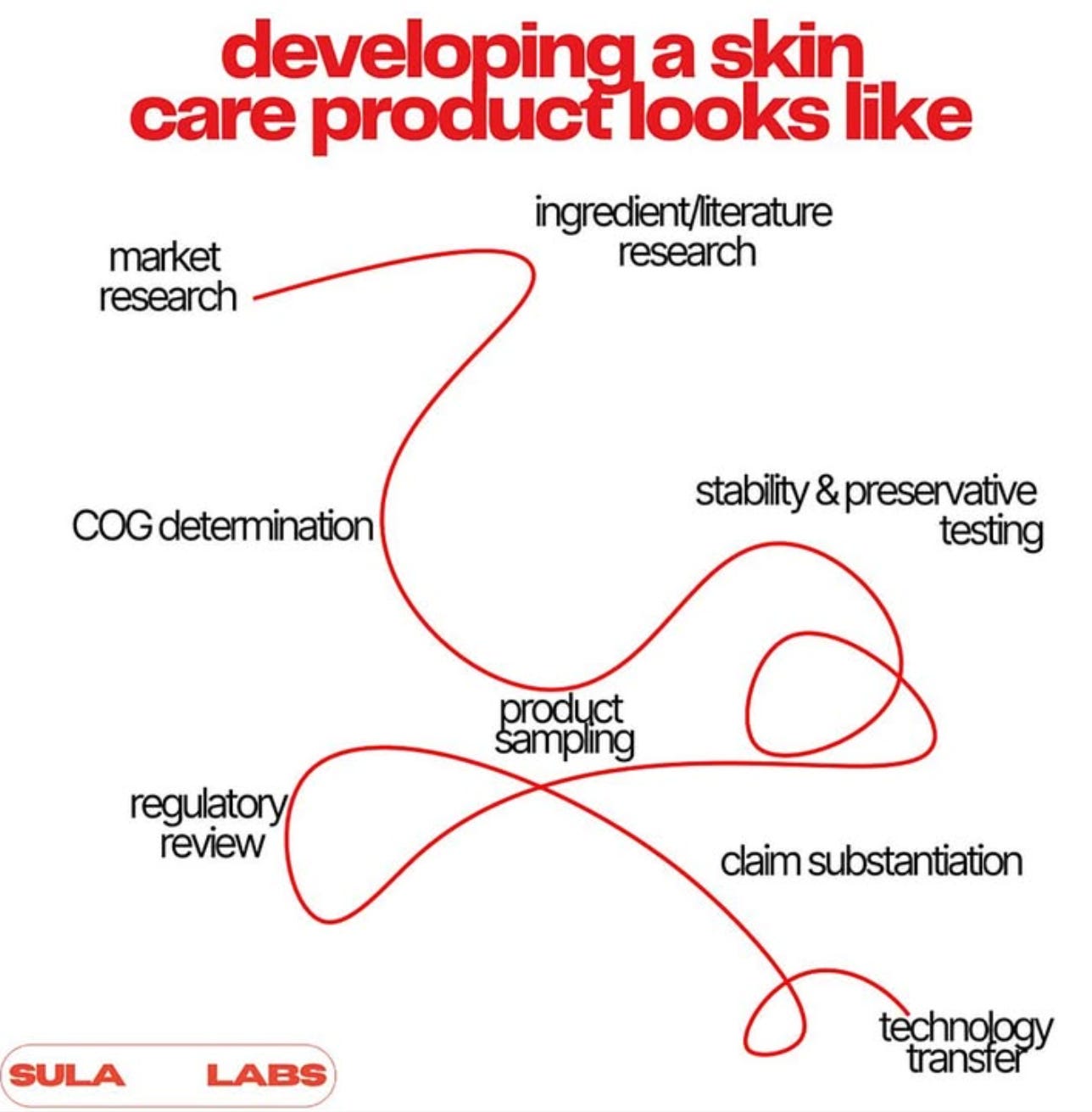
EI: I have a confession to make. When I first started out, I did not think about unit economics, as much as I thought about the vibes. I didn’t really care about how much my COG’s were as long as it led me to the brand I wanted. I certainly did not factor in scale.
I mostly trusted in the sense I had to know that I was spoiled by way of being in the beauty industry — one known for great margins.
Looking back, this was both my strength and my weakness. My obsession with the visual language and sensorial perfection is what made customers fall in love with our products, but I was disappointed by how quickly you stop feeling those "great margins" when you scale and take on more visibility.
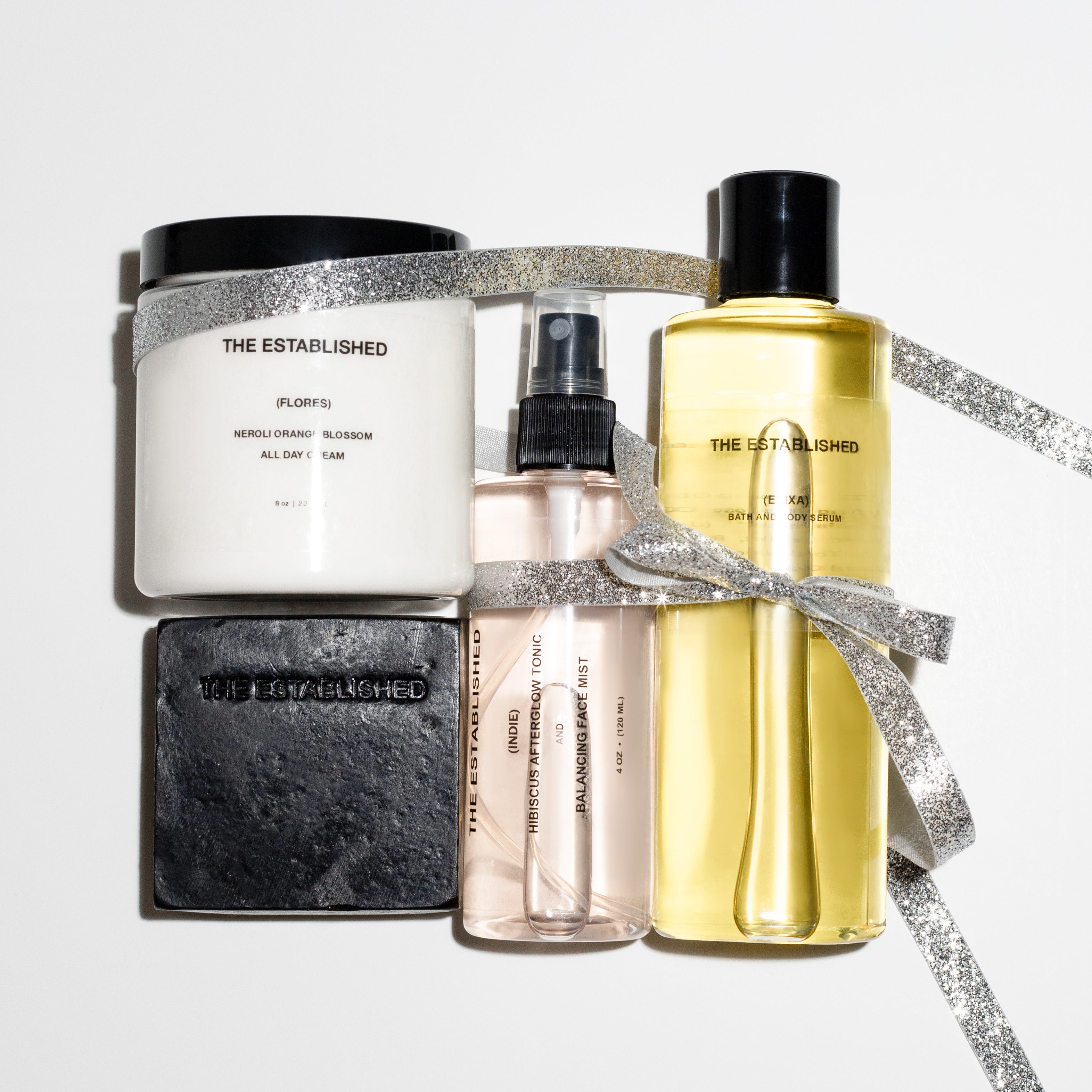
The real awakening came when I realized that formulation decisions made based purely on bespoke qualities often create manufacturing headaches at scale (like that perfect marbled texture of the Pepper cleansing bar that required a specialized hand technique). This all made my inventory process move at a slower pace than I would have liked it to go.
Also — be wary of more inaccessible raw materials, ingredients or packaging components that could be hard to get in the future. Nothing worse than being in demand for something you can’t provide. Try to create products that you could turn around on a dime and at scale as easily as possible!
AA: What was your biggest waste of money when it came to product development?
EI: Launching with multiple variants of the same product. When I launched in 2019, I had three differently scented body creams, four different types of bar soap with different makeups—I was essentially creating more work, more inventory, and more of a spend for myself in the hopes to please everybody.
I’ve learned that the less you offer, the more seriously the customer takes you — especially the one with discriminating taste (who I was aiming for).
Early-stage founders often assume that giving customers more options will drive revenue. There’s this desperate urge to cater to everyone as a baby founder, but in reality, it just leads to higher costs, more formulation headaches, and unnecessary complexities to your supply chain. Looking back, I wish I had focused on a single MVP—making it spectacular, making it expensive, and making it the product; simply irresistible. Ironically, our hero product —the Elixa Bath and Body Oil Serum ended up being the very first one I made anyway (and the only one that never had any variants LOL). Instead of building around that from the start, I stretched myself thinner than necessary, only to scale most of those products back to a single SKU a year later.
I share this story all the time with my clients who want to capture the prestige/luxury market: Stop trying to launch with so many products! You’re literally paying for people to take your brand less seriously. Scale your products lean and focus on the one product that speaks to your brand ethos. Intention and restraint creates desire.
AA: Are 70% margins even real?
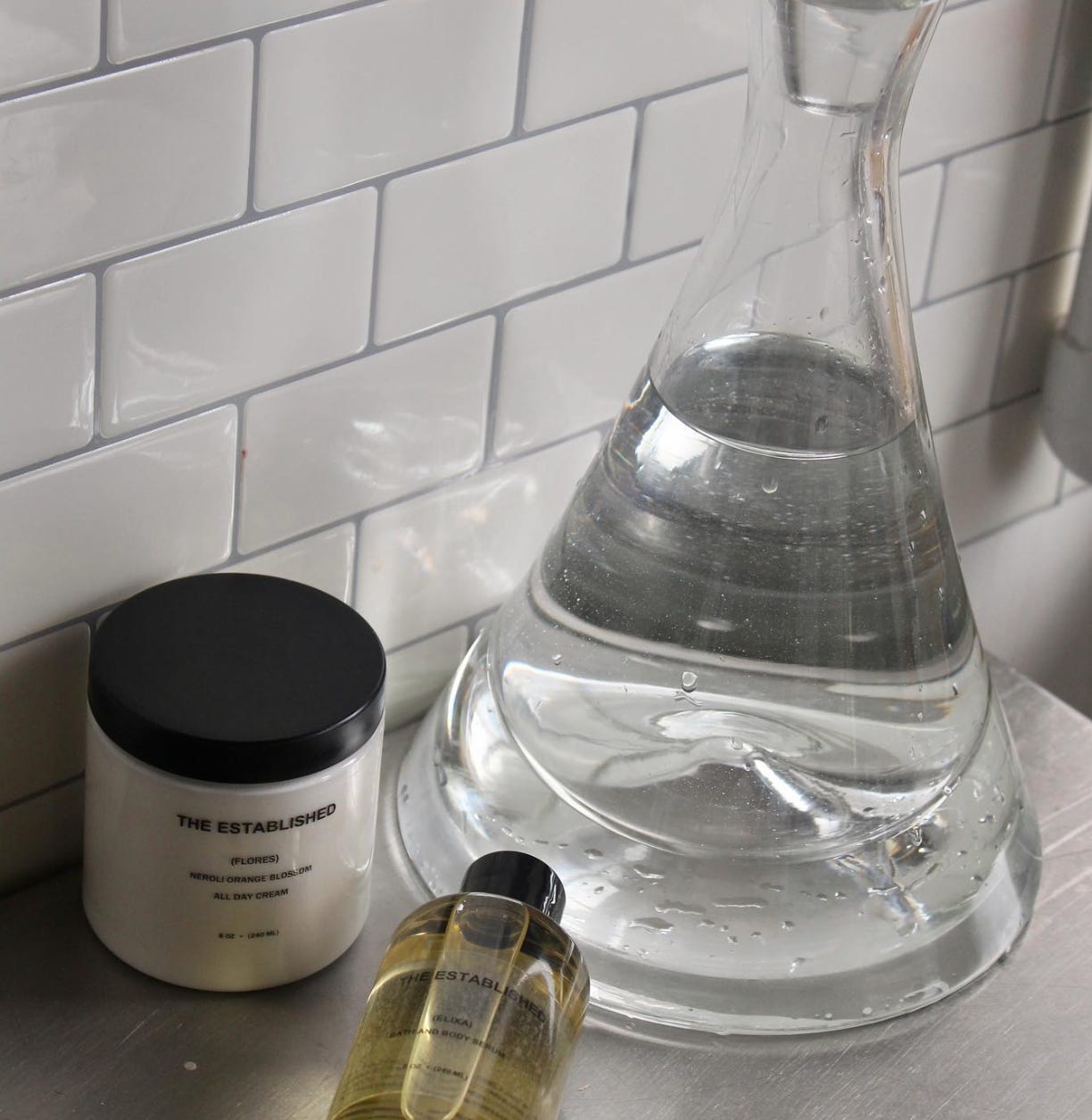
EI: They can be especially if you’re starting out making your products yourself as many of us indie brand founders do. The margin on my body cream hovered around 76% at one point, when I decided to switch from an oil-based formula to a water one.
Those margins drastically shift when you scale, though. Once you introduce warehousing, manufacturing, shipping — or factor in the in the cost of marketing or retail, those margins get eaten up with the quickness.
The indie founder making products in small batches can hit those dreamlike margins initially, but they're a moving target that shifts with growth, so be prepared for the math to get uncomfy.

 | A guest post by
|