

How to Save a Failing Fashion Brand
The Victoria Beckham Playbook

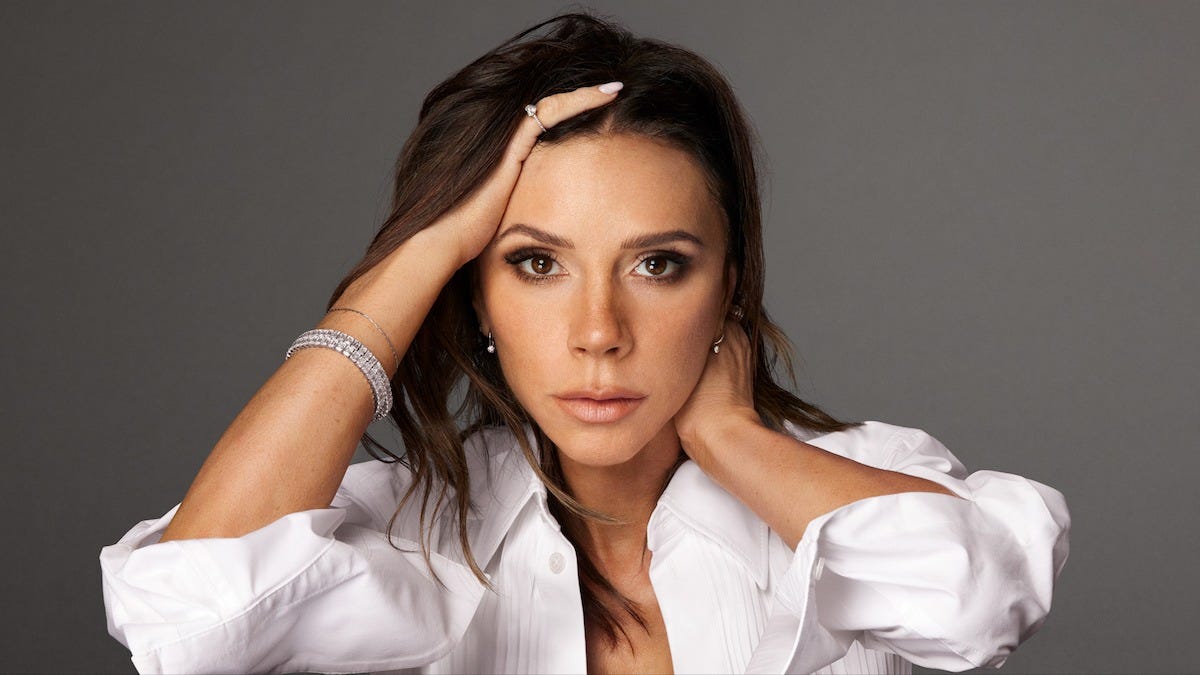
Image // Netflix
Spoilers ahead!!!
If Victoria Beckham hadn’t told me her brand was failing, I’d have never known it was failing. So how does one save a luxury label that’s bleeding out without destroying the aspiration that made it valuable in the first place?
You produce a Netflix series, of course!
I didn’t know what to expect when I pressed play—I clicked out of affinity for my favorite Spice Girl, assuming it would be some kind of biographical reflection, perhaps, or maybe a fresh angle on her love story that I could live vicariously through. Lol please, not even.
Set against the backdrop of prepping for her potentially disastrous Spring ’25 Paris Fashion Week show, the three-part series traces her evolution from shy and image conscious Essex girl to global pop star, to the most photographed WAG in Britain, to creative director of her own fashion empire. But the real tension lies between her fight for fashion industry acceptance and the financial turmoil that nearly costs her her business.
While I didn’t recognize the doc to be what The Daily Beast called a “self congratulatory puff piece,” I did clock it as a part of a long-game calculated brand repositioning strategy, and a deliberate effort to reassert control over her narrative.

‘Kill The WAG‘
I will say that I’ve held a strong regard for Victoria Beckham, both in her fashion and beauty lines.
To me, she’s long since moved past her WAG persona and cheap tabloid caricature. And most admirably has taken on an identity separate from her husband (so iconic of her to never have been photographed at a game in that man’s jersey 😭).
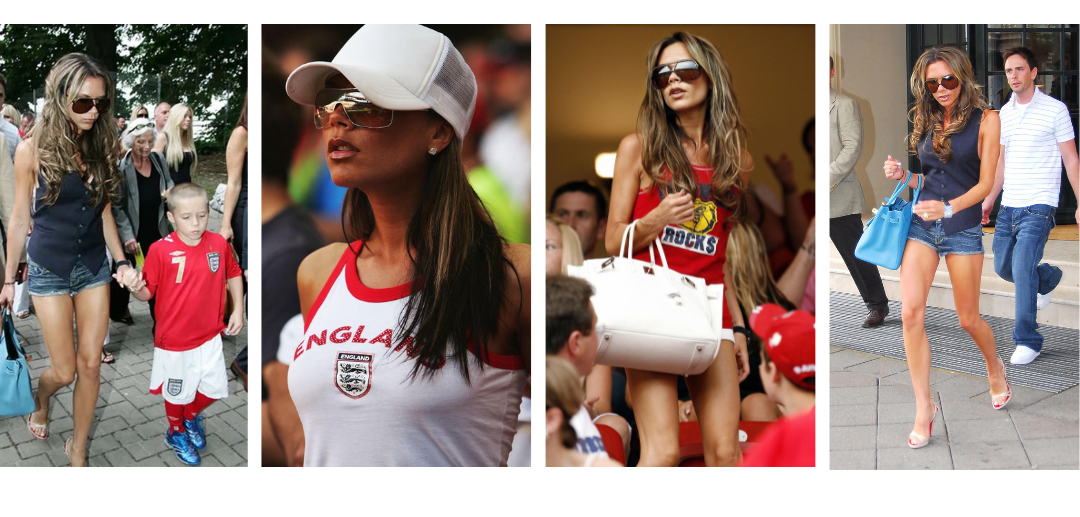
Before we had Georgina, Victoria did WAG the best you can do it.
The hair, the tan, the boobs, the Birkin—all things I still reference on my Miami trips. What I learned was that she leaned so hard into the archetype that it became satire and an eventual detriment to her desire for career evolution beyond that.
In the doc, she admits she was massively struggling to find herself after the pop-era ended, desperate to build something that was hers. Fashion—always her outlet—became the next logical stage.
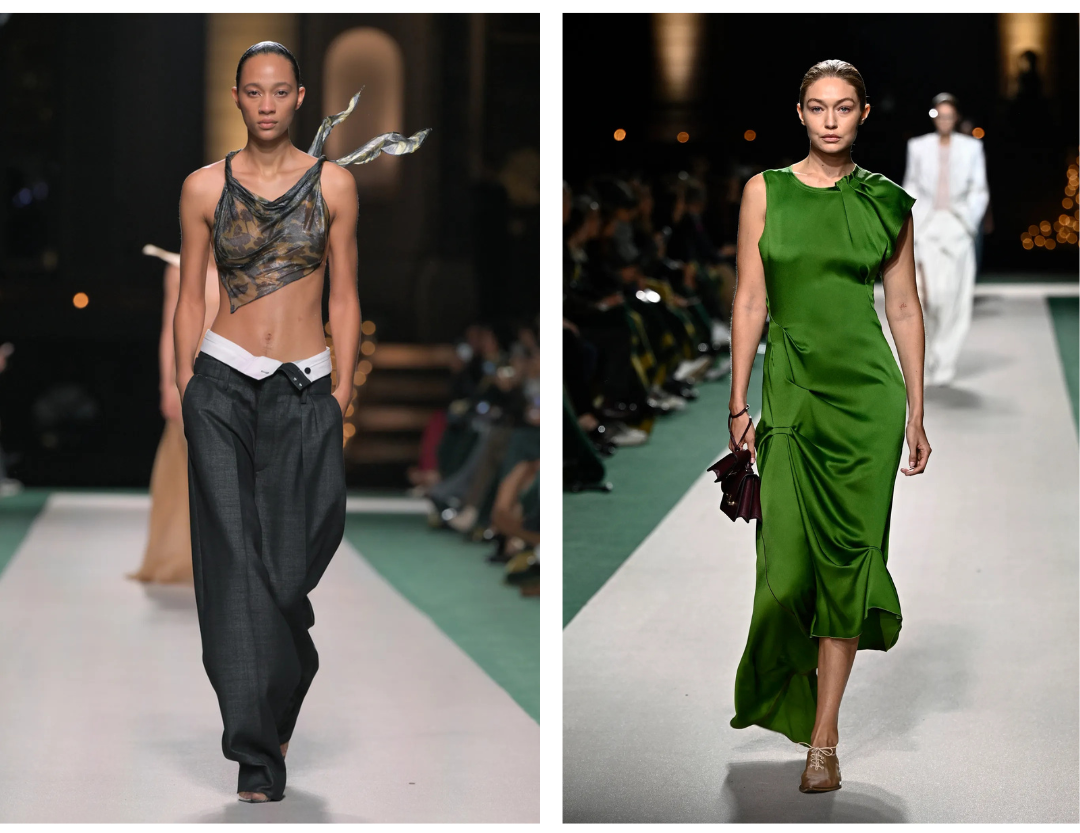
Images: Giovanni Giannoni/WWD; Victoria Beckham Spring 2025 RTW
Victoria Beckham launched in 2008 with a collection of luxury dresses and funding from her husband, which I think was her first mistake. There’s no easier way to raise money and leverage OPM than by being a public figure. They may have even let her have a say. I said to myself this couple is too sweet, hardworking and kind!
Instead of tapping institutional money early, she built an independent luxury label the hard way: respectably and expensively.
Under the tutelage of French designer Roland Mouret, who appears in the doc, she ‘Kills the WAG’ by stripping down the hyper-glam persona for an image that was more pared-back and restrained. Mouret is credited with helping her define her audience of “women that want to be like her,” which he presents as revelatory, although it isn’t, really.
While the brand gained credibility in the years to follow, it hit a familiar wall all self-funded founders know all too well—when perception outpaces profitability. You know the feeling: looks so good until you undress it.
Oh, the imposter syndrome this can invoke.
It was at this point in the docuseries is where my empathy as a builder and a creative kicked in deeply. I saw a bit of myself in Victoria, which I’m certain the series aimed to trigger.
Panic and Redemption
As Victoria Beckham became more acclaimed, the demands of the brand grew and David kept reinvesting more cash. Except they were millions of pounds in the red and never turned a profit. It was just getting “worse, and worse, and worse,” Victoria says and in David’s words, there was “no way of her business surviving.”
She earnestly admits that at one point the brand was putting out so much “waste” through the excessive overuse of crème de la crème materials—at one point using as many as 15 different linings for the insides of their outerwear. We later learn of expenses including $70,000 a year on flowers and another $15,000 a year for someone to water them.
We don’t learn of the exact amount David invested over time, but at some point a newspaper clipping flashes across the screen citing losses of £38 million. As the on screen tension on the brand continued I found myself balling my fists in panic, and saying: “Hello! Why not bring on outside investors!”
The brand does end up securing a £30M investment from David Belhassen’s PE firm Neo Investment Partners in 2017— a deal he admits on camera he nearly walked away from because the books were so bad—until he took his wife to dinner and she so happened to be wearing a Victoria Beckham dress. How conveniently cinematic. I’m not sure if this serendipitous twist was scripted or not, but it was a twist of fate that inspired him to save the company.
Victoria, eager to please swore through tears to ‘never let him down.’
This isn’t just a touching personal story. It’s a coordinated and opportune arrangement to inject the Victoria Beckham brand deeper into public consciousness.
I can’t help but think it was that same stakeholder involvement that led to this docuseries — and what better timing than now, while leveraging David Beckham’s Emmy-nominated series Beckham, also released on Netflix in late 2023.
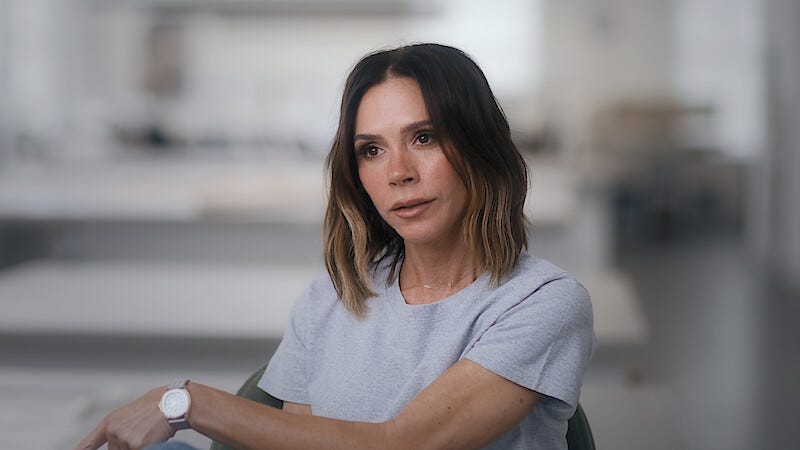
Image // Netflix

Commodifying Vulnerability
Victoria Beckham is hard on herself. She is at times, overly self-aware—even as she reflects on things in hindsight. She oscillates a lot between the words “control” and “if I’m being honest,” and says that we aren’t wrong to have thought of her as a miserable cow who didn’t smile.
She reflects on being extremely self-conscious, which we learn is the reason she never smiled in photos. What we romanticize as her iconic WAG era, she reveals as “attention-seeking” due to a frustrating lack of purpose and creative fulfillment.
She is as ambitious as she is deeply concerned with being liked and understood—qualities that make her relatable and her reinvention likely, albeit emotionally exhausting.
Every confession (she kind of opens up about her eating disorder) and glimpse into the past deliberately recalibrates how we see her—as a woman misunderstood and pushed towards self-hatred by the pressures of her fame while trying to thrive outside of her husband’s shadow.
At one point in episode one, a clip plays of a female reporter saying “he’s quite talented at what he does, and she just wears a lot of clothes.” Then follows a clip from a male reporter saying she “steals the occasion” from her husband and proceeds to call her “a common little bitch.”
These are the mechanics for cashing out on vulnerability. Things that would never fly in today’s social climate make for great storytelling and emotional investment.
It’s at this point you feel you really have to root for her.

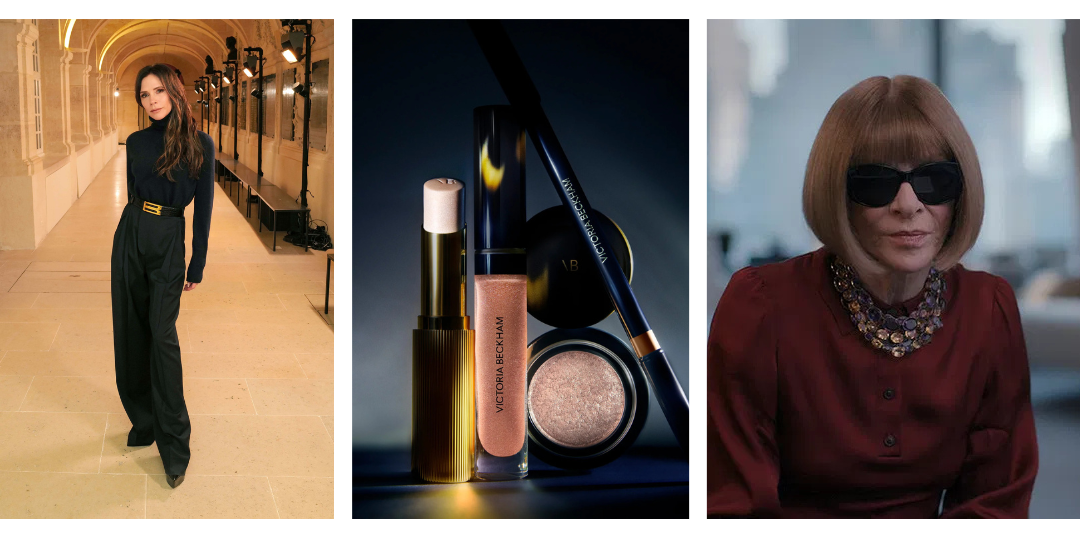
The Repositioning: The Victoria Beckham Playbook
When you zoom out, it’s clear that this docuseries is a part of a long-game brand and revenue strategy, alchemized through the lens of a reclaimed narrative.
So what other levers are at work to reposition and revitalize Victoria Beckham?
Manufactured Empathy
You could literally make a drinking game out of how many times Victoria refers to herself with the word “control.” It’s mirrored by how often those around her describe the former version of her in the same way.
